

Gut and Stress
Can Stress Cause Constipation? How Your Gut Listens to Your Nervous System
Yes, stress can be connected to constipation. Your gut is wired directly to your nervous system, and when your body believes it is in danger, digestion is one of the first jobs it pauses. A body that stays on alert for weeks can keep that pause going, so things slow down, tighten, and stop moving the way they should.
Can stress really slow down your digestion?
It can. Digestion belongs to the rest-and-digest side of the nervous system. When you feel safe, the vagus nerve tells the gut to soften, secrete, and move. When you feel threatened, the body shifts into protection and sends its energy to the muscles, the heart, and the lungs instead.

I often describe it like a home during a storm. When the alarm sounds, nobody stops to do the dishes. Everyone grabs what matters and braces. Your gut does the same thing. It is not failing. It is following orders from a nervous system that is still watching for danger.
The trouble is that modern stress rarely ends. Emails, caregiving, money worries, and a full calendar can keep the alarm humming quietly all day. Over time, that humming can become your new normal, and the gut learns to stay half closed.
Why does my gut tighten when I am anxious?
Many of us carry stress in the belly without noticing. We hold our breath, clench the abdomen, and eat in a hurry while thinking about the next thing. I call this bracing, and the body cannot fully digest while it is bracing.

There is also a mind-body layer that deserves tenderness. Some people find they "hold on" in the body during seasons when they are holding on emotionally: to control, to grief, to responsibility for everyone else. I never want to force a meaning onto anyone's symptom, but it is worth asking gently what your body might be carrying. I wrote more about this in why your gut cannot heal while you are bracing.
What does stress-related constipation feel like?
Every body is different, and only your physician can tell you what is happening in yours. People often describe:

- Going less often than usual, especially during busy or emotional seasons
- Hard or difficult stools, or a sense of not being finished
- Bloating and pressure that eases on calm days or vacations
- A gut that seems to "freeze" when life gets intense
If bloating is your main complaint, why you feel bloated after eating walks through that pattern. The Cleveland Clinic overview of constipation is also a helpful, plain-language read on the many possible causes.
How can I help my gut relax and move again?
Think of this as sending the body signals of safety, over and over, until it believes you.
- Slow the first bite. Sit down, take three slow breaths with a long exhale, and then eat. That small pause invites rest-and-digest to come online.
- Drink water steadily. A gut that is short on fluid has less to work with. Sip through the day rather than all at once.
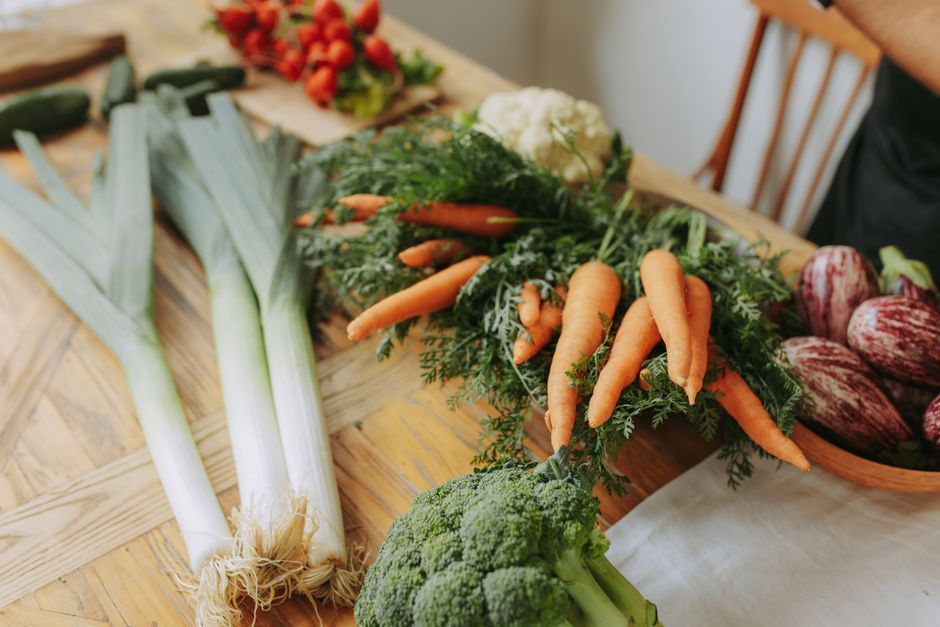
- Add fiber gently. Vegetables, fruit, beans, and whole grains help, but adding a lot at once can cause discomfort. Go slowly.
- Move your body. A short walk after meals is one of the kindest things you can do for digestion.
- Honor the urge. Rushing past it because you are busy teaches the body to wait. Give yourself unhurried time in the morning.
- Soften the belly. Place a warm hand on your abdomen and let it rise with each breath. This is a simple way to tell your body it can stop bracing.
When the body is ready, I also look at the whole drainage picture. The gut is one of the body's main exit ramps, and my gentle detox support work always begins by making sure those pathways are open and moving before anything else is asked of them.
When should I see a doctor about constipation?
Please see your physician if constipation is new for you and lasts more than a few weeks, or if it comes with blood in the stool, unexplained weight loss, severe or constant belly pain, vomiting, or a change in bowel habits that worries you. The NIDDK guide to constipation lists these warning signs too. Medications and other health conditions can also slow the gut, so a proper evaluation matters. Natural-first support works best alongside your medical care, never instead of it.

Pause for Reflection
Place one hand on your heart and one on your belly. Breathe in slowly through your nose, and let the exhale be longer than the inhale.

Ask gently: Where in my life am I holding on tightly right now? When did I last eat a meal without rushing? What would it feel like to tell my body, "We are safe here. We can soften now"?
"Be still, and know that I am God" (Psalm 46:10). Stillness is not laziness. It is the doorway your body has been waiting for.
FAQ
Can anxiety cause constipation and diarrhea?
Some people notice both, sometimes alternating, because the nervous system can speed the gut up or slow it down depending on the state it is in. I wrote more about the faster side in whether stress can cause diarrhea. If your bowel habits change in a way that concerns you, talk with your physician.
Does constipation get better when stress goes away?
For many people, digestion improves on calmer days, weekends, or holidays, which is often a clue that the nervous system is involved. Your physician can help rule out other causes.
What kind of support do you offer for the gut?
My gut health support looks at digestion, the nervous system, and daily rhythm together, so we tend the whole person rather than one symptom.
How do I start?
If this feels familiar, you can reach out through my contact page and we can talk about what gentle, whole-body support could look like for you.
This article is for educational purposes and is not medical advice. It is not intended to diagnose, treat, cure, or prevent any disease. Please work with a qualified practitioner, and consult your physician before making changes to your health routine.
In Renewal,
Lynette Wing
Founder of Renewal Health
Clinical Homeopath, Naturopath, Mind-Body Practitioner
Dedicated to root-cause healing and whole-person alignment. Guiding clients to emerge, align, and live fully, restoring vitality, clarity, and sustainable wellness. About Lynette