

Body and Mind
Can Stress Cause Joint Pain? What Your Body May Be Saying
Stress may add to joint pain, though it is rarely the whole story. Muscles braced around a joint, poor sleep, and a nervous system on alert can all make joints ache or feel stiff. Swelling, redness, warmth, or pain that lingers deserves a medical evaluation, because many other causes need different care.
Can stress really make your joints hurt?
It can contribute. Maybe your knees ache on the stairs during a hard month. Maybe your hands feel stiff in the morning, and your hips complain after a day of sitting tense at a desk. Then the season eases, and so does some of the ache.

What I want to be careful about is the word "cause." Joints hurt for many reasons, including arthritis, injury, overuse, infection, and autoimmune conditions. The Cleveland Clinic's overview of joint pain walks through many of them. Stress is better understood as something that can turn up the volume on what is already there, and that is a question for you and your physician to sort out together.
Why does stress make joints ache?
Your body was built to respond to threat. When it senses danger, real or perceived, it releases adrenaline and cortisol and prepares you to move. I often call the long version of this the sympathetic lock, your nervous system stuck in the "on" position. A few things can follow:

- Bracing. The American Psychological Association notes that muscles tense under stress. Tight muscles around a joint can pull on it and limit how it moves.
- Lighter sleep. Deep sleep is when much of the body's repair work happens, and a guarded body often does not sink into it.
- A louder alarm. A nervous system on watch can register ordinary signals as more painful than it would on a calmer day.
- Inflammatory signals. Long seasons of stress can affect how the body regulates inflammation, which is one reason this conversation connects to the whole body and not only one joint.
- Less movement. When we are depleted, we stop walking and stretching, and joints tend to stiffen when they sit still.
None of this means the pain is in your head. The ache is real. It is your body telling the truth about the load it has been carrying.
Can stress make arthritis feel worse?
Many people who live with arthritis or another joint condition notice that hard seasons and flares seem to travel together. If that is your experience, tell your rheumatologist or physician, and keep following the care plan you have together. Tending your stress can be a kind addition to that care. It never takes its place.

When should you see a doctor about joint pain?
Please do not wait on a stress explanation if you notice any of these. Your physician should look at:

- Swelling, redness, or warmth in a joint
- Joint pain with a fever or a rash
- Stiffness that lasts a long time each morning
- Pain after a fall or an injury
- A joint that gives way, locks, or will not bear weight
- Pain that wakes you at night or keeps getting worse
- Pain with unexplained weight loss or deep fatigue
A hot, swollen joint with a fever needs care right away. You are not overreacting by asking. An answer is a gift to a worried body.
How can you ease joint pain from stress?
Once your physician has looked at the pain and any urgent cause has been ruled out, these gentle practices may help your body stand down:

- Move a little, often. Slow walks and easy range-of-motion work, as your physician allows, give stiff joints a reason to loosen.
- Release the brace. Several times a day, drop your shoulders, soften your hands, and unlock your knees. My post on why stress settles into body aches has more on this.
- Use warmth. A warm bath or shower can help tight tissue let go.
- Protect your sleep. Keep a steady bedtime and let the last hour of your day get quiet.
- Lengthen your exhale. Slow breathing tells your body the threat has passed.
- Eat to nourish. Regular meals with colorful plants and enough protein give your body steady material to work with.
If you sense that your aches are part of a wider pattern, my root-cause inflammation support looks at how stress, digestion, and rest connect. My post on natural support for chronic inflammation is another gentle place to begin.
Pause for Reflection
Sit somewhere comfortable and let your hands rest open. Notice which joint has been asking for your attention, and breathe out slowly toward it.
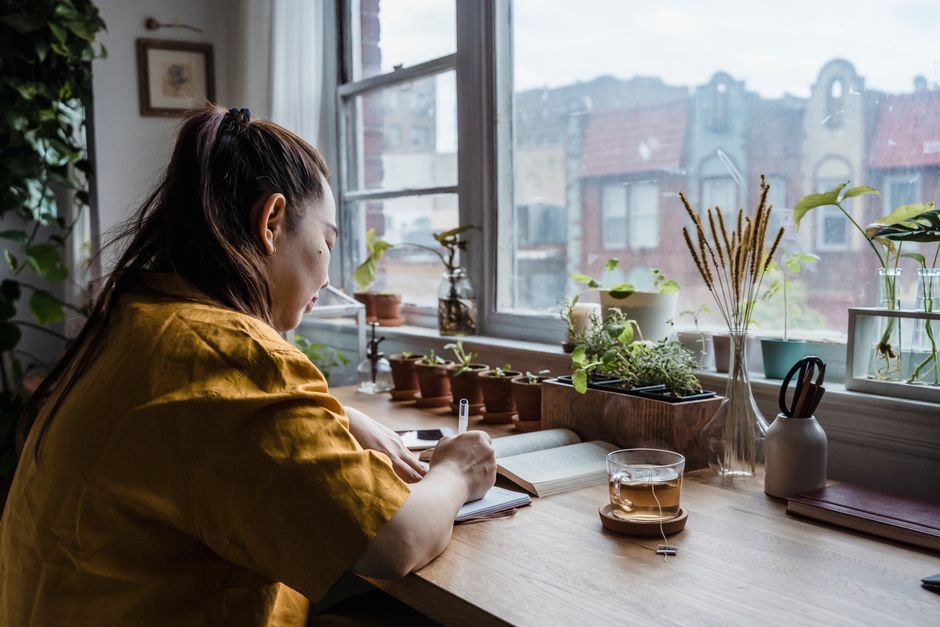
What has your body been holding up lately? What is one small weight you could set down this week?
"It shall be health to thy navel, and marrow to thy bones" (Proverbs 3:8, KJV). Your body is not failing you. It has been carrying a lot, and it can be met with tenderness.
FAQ
Can stress and anxiety cause joint pain all over?
Stress and anxiety can add to widespread aches through muscle tension, poor sleep, and a more sensitive pain response. Pain in many joints can also point to conditions that need testing, so please have it evaluated by your physician.
Why do my joints hurt more when I am stressed?
Stress tends to tighten the muscles around a joint, lighten your sleep, and make your body more alert to pain. Many people also move less during a hard season. Together, these can make an existing ache more noticeable.
Can stress cause stiff joints in the morning?
A tense body and restless sleep may leave you feeling stiff on waking. Morning stiffness that lasts a long time, or comes with swelling, is worth raising with your physician, since it can be a sign of a joint condition.
How do I start working with you?
Once your physician has evaluated your joint pain, you can send me a message through my contact page, and we can talk about gentle next steps for your body.
This article is for educational purposes and is not medical advice. It is not intended to diagnose, treat, cure, or prevent any disease. Please work with a qualified practitioner, and consult your physician before making changes to your health routine.
In Renewal,
Lynette Wing
Founder of Renewal Health
Clinical Homeopath, Naturopath, Mind-Body Practitioner
Dedicated to root-cause healing and whole-person alignment. Guiding clients to emerge, align, and live fully, restoring vitality, clarity, and sustainable wellness. About Lynette