

Faith and Wellbeing
Does Gratitude Help Anxiety? What Thankfulness Does in Your Body
Gratitude can be a gentle support for an anxious body, though it is never a replacement for proper care. Noticing what is good and safe gives the nervous system evidence that not everything is a threat. Practiced honestly, without forcing away hard feelings, thankfulness can help shift attention from scanning for danger toward rest and connection.
Does gratitude really help with anxiety?
Research suggests gratitude is linked with greater well-being. Harvard Health Publishing summarizes studies connecting regular gratitude with more positive emotion, better relationships, and a greater ability to cope with hard things.
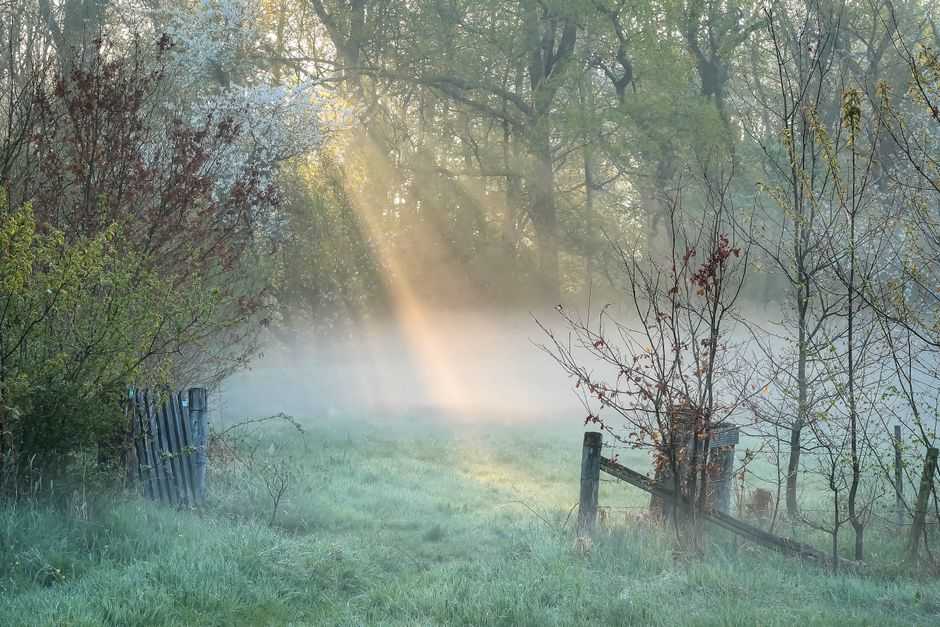
From where I sit, the reason is simple. An anxious nervous system is a vigilant security guard, scanning every room for what could go wrong. That guard is trying to protect you. Gratitude does not fire the guard. It hands the guard new information: "Look, this is also true. There is warmth here. There is enough here."
Gratitude does not deny the storm. It notices the shelter.
How does gratitude affect the nervous system?
Your body is always asking one quiet question: "Am I safe?" When the answer seems to be no, it leans into fight, flight, or freeze. Moments of genuine thankfulness, the warm cup in your hands, a friend's laugh, morning light on the floor, offer small signals of yes.
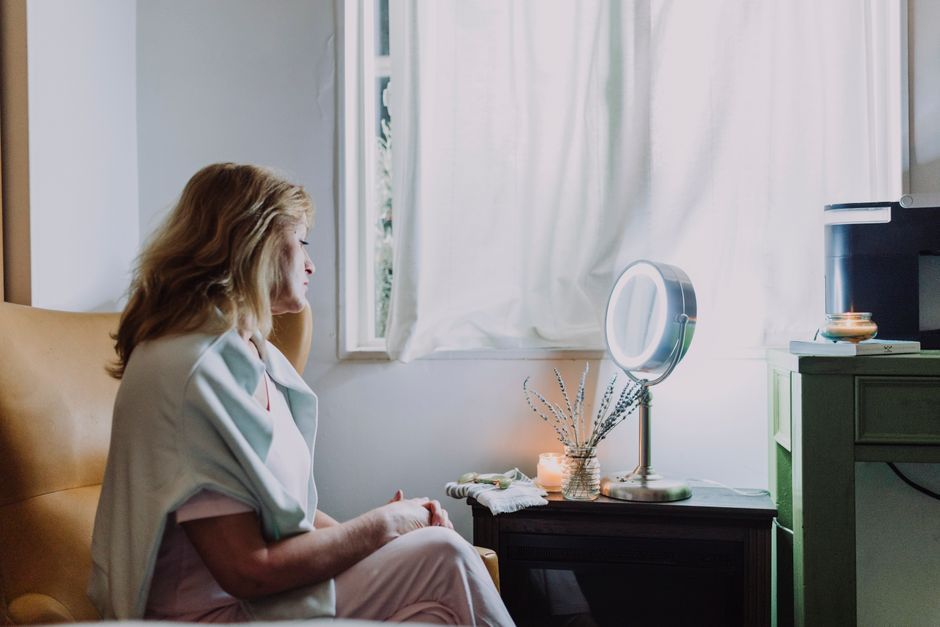
I often call these moments glimmers, the tiny cues of safety that help the body soften. You can read more in glimmers and your nervous system. Gratitude is simply the practice of noticing glimmers on purpose, and letting them land long enough for the body to feel them.
Why does forced gratitude sometimes make anxiety worse?
Because the body knows when it is being argued with. "Just be grateful" can feel like being told your pain does not count. When thankfulness is used to cover grief, fear, or exhaustion, the nervous system often braces harder, and shame gets added to the anxiety.
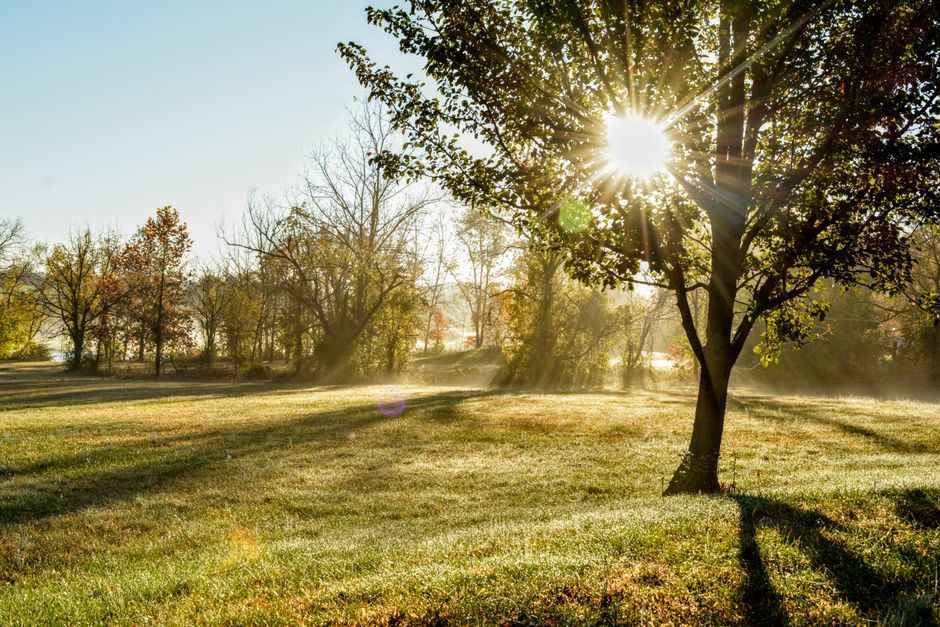
Healthy gratitude holds both. "This is hard, and this is also good." You do not have to pick one. The same is true of the words we speak to ourselves, which is why whether affirmations actually work depends so much on whether the body can believe them.
What are simple gratitude practices for anxiety?
Small and honest beats big and forced. A few to try:

- Three glimmers before sleep. Name three specific, small things from the day. Specific matters more than grand.
- Gratitude with a breath. As you name one good thing, take a slow breath and let the exhale be long. Pair the thought with a felt sense of ease.
- Thank your body. Thank your lungs for breathing, your feet for carrying you, your heart for its faithful rhythm. It is a gentle way to rebuild trust with a body that has felt unpredictable.
- Write it down. A few lines in a journal give the mind something to return to. Even a sticky note by the sink counts.
- Let it be both/and. Write one hard thing and one good thing side by side. Both are allowed.
Can gratitude help during a stressful holiday season?
It can, especially when it is not one more thing on a to-do list. Holidays often bring full calendars, family dynamics, and grief for those who are missing. A quiet gratitude practice can be an anchor in the middle of it. Coping with holiday stress offers more ways to protect your peace through the season.

When should I get help for anxiety?
Gratitude is a support, never a substitute for care. Please talk with your physician or a licensed mental health provider if anxiety is persistent, interferes with daily life, or comes with panic, chest pain, or trouble sleeping. Natural-first practices work best alongside your medical care, never instead of it.
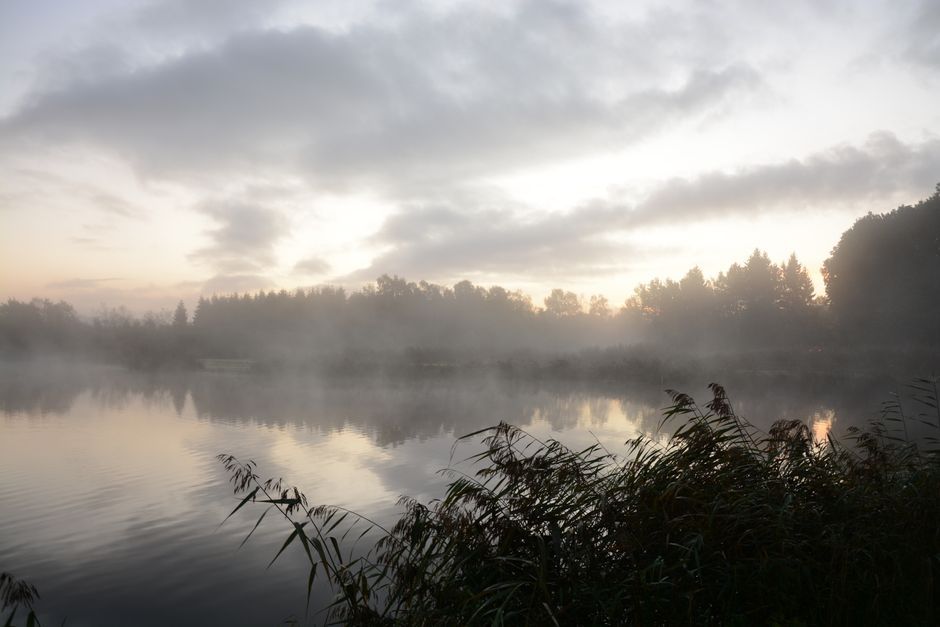
Pause for Reflection
Settle into your seat. Rest one hand on your heart, and breathe in slowly. Let the exhale be longer.

Ask gently: What is one small thing that was good today? Where in my body do I feel it when I let it land? Can I hold the hard and the good at the same time, without choosing?
"Be careful for nothing; but in every thing by prayer and supplication with thanksgiving let your requests be made known unto God" (Philippians 4:6). Thanksgiving here is not a performance. It is a doorway into peace.
FAQ
How long does it take for gratitude to help anxiety?
There is no set timeline. Gratitude works more like a slow rhythm than a switch, and its effects tend to build gently with regular, honest practice.
Is gratitude journaling better than just thinking grateful thoughts?
Writing can help because it slows you down and gives the moment more time to land in the body. Either is welcome; consistency matters more than format.
What if I cannot think of anything to be grateful for?
That is okay, and it may be a sign your body is very tired. Start with the smallest thing, like the breath you just took, and be kind to yourself.
Where can I get support?
If anxiety has been heavy, my emotional overwhelm and nervous system support work helps the body find steadier ground. You are welcome to reach out through the contact page when you are ready.
This article is for educational purposes and is not medical advice. It is not intended to diagnose, treat, cure, or prevent any disease. Please work with a qualified practitioner, and consult your physician before making changes to your health routine.
In Renewal,
Lynette Wing
Founder of Renewal Health
Clinical Homeopath, Naturopath, Mind-Body Practitioner
Dedicated to root-cause healing and whole-person alignment. Guiding clients to emerge, align, and live fully, restoring vitality, clarity, and sustainable wellness. About Lynette