
Start Here
How to Improve Gut Health Naturally: Where to Start
You can improve gut health naturally by slowing down at meals, eating a wider variety of plants, adding fiber gradually, including fermented foods if they suit you, protecting your sleep, and calming your stress response. Small habits repeated daily tend to matter more than a dramatic cleanse. Bring any persistent or severe symptoms to your physician first.
What does a healthy gut actually need?
A healthy gut needs nourishment, rhythm, and a body that feels safe enough to digest. According to Cleveland Clinic, the bacteria in your colon help break down fibers you cannot digest on your own, and they produce nutrients you could not otherwise get. Feed that community well and it has what it needs to do its work.
I think of the gut the way I think of a home. You do not restore order by tearing everything out in one weekend. You open a window, clear one counter, put a pot on the stove, and keep showing up. A gut responds to the same kind of steady care.
What can you do first to improve gut health?
Start with how you eat before you change what you eat. Sit down. Put the fork down between bites. Chew until your food is actually soft. Your digestion begins well before food reaches your stomach, and a rushed meal asks your body to do its work while it is busy bracing for the next thing.
Then keep your meal times steady. A predictable rhythm gives your digestive system something to count on, which is a quiet form of safety.
Which foods support gut health?
Variety is a good place to begin, because different gut bacteria feed on different plants. Try adding before you take away:
- Plant variety: vegetables, fruit, beans, whole grains, nuts, and seeds
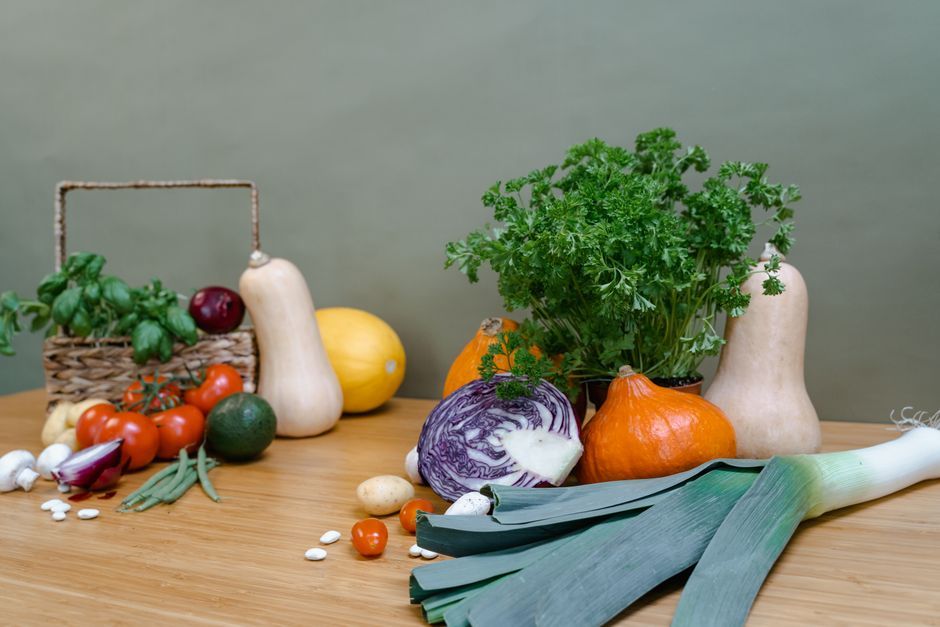
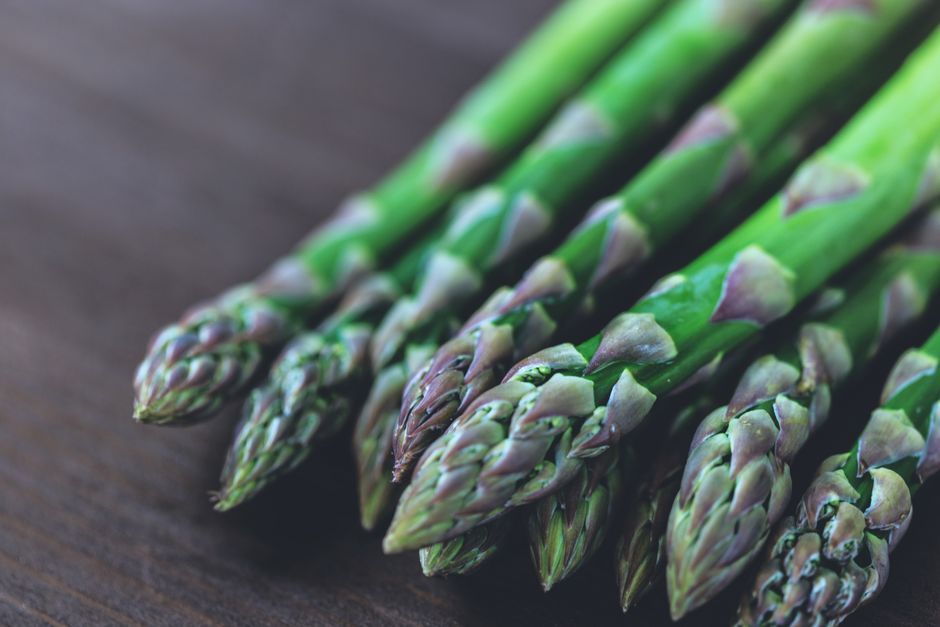
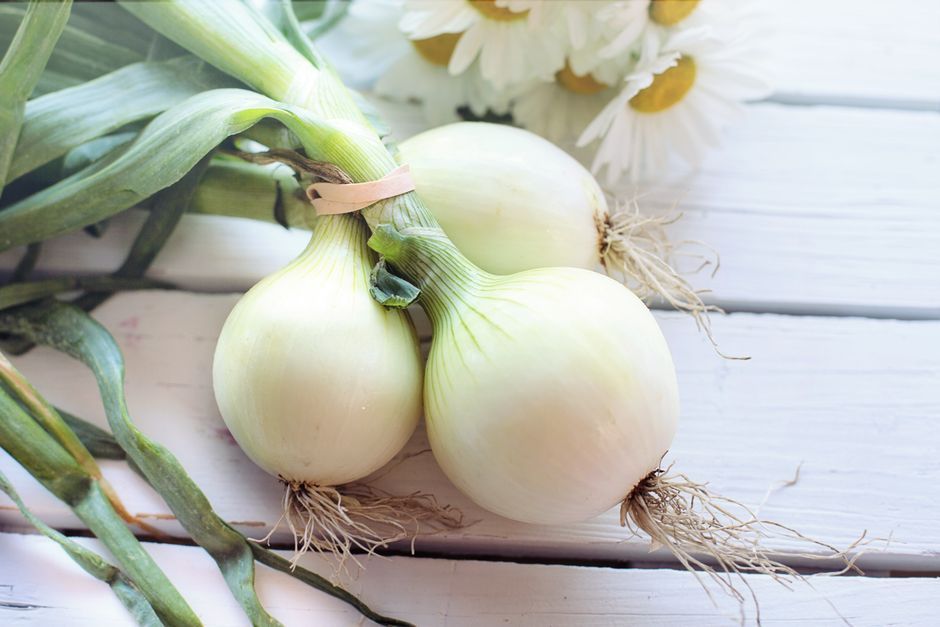
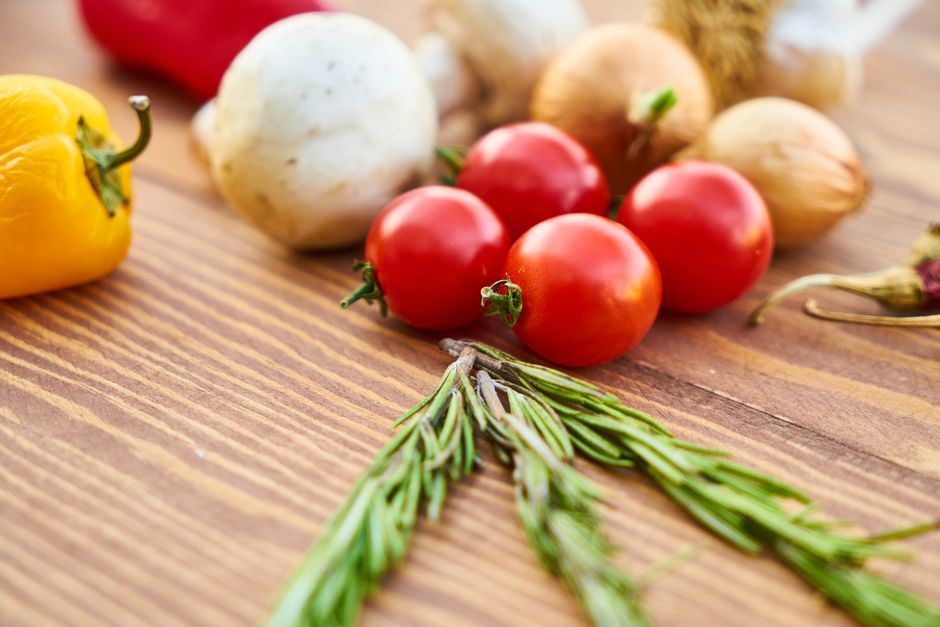
- Prebiotic foods: onions, garlic, leeks, asparagus, and oats, which help feed the bacteria already living there
- Fermented foods: plain yogurt, kefir, sauerkraut, or kimchi, starting with small amounts
- Enough water: fiber works better when you drink enough along with it
Go gently with fiber. MedlinePlus advises adding it slowly, since increasing it too quickly can lead to gas, bloating, and cramps. If you have a diagnosed digestive condition, some of these foods may not suit you, so ask your physician or dietitian what fits.
Notice what your body does after certain meals, and keep a short note for a week or two. That gives you something real to bring to your practitioner. Cutting out whole food groups on your own, though, can leave you undernourished and more anxious around food.
Can stress affect your gut health?
Yes. When your sympathetic nervous system is activated, blood moves away from your gut toward your muscles, digestive enzymes are suppressed, and the movement of your gut can slow down or speed up. Your body is not malfunctioning when this happens. It is preparing you to survive. But it cannot run from danger and digest dinner at the same time.
This is why the most careful diet can still fall short in a body that never stands down. Slow exhales before a meal, a short walk afterward, and consistent sleep all belong on a gut health list as much as any food does. I wrote more about this in why you cannot rest and digest while bracing.
Do you need a gut cleanse or detox?
Most people do not need anything aggressive, and harsh cleanses can leave you depleted. Your body already has its own exit ramps, and the colon is the first one. Regular bowel movements, fiber, water, and movement are the plain foundation. If you are wondering whether your body is asking for more support, read through these signs your body may need a detox, and take a look at my gentle approach to detox support before you buy any kit.
When should you see a doctor about gut symptoms?
See a physician promptly for blood in your stool, black or tarry stools, unexplained weight loss, severe or persistent pain, trouble swallowing, ongoing vomiting, a fever with digestive symptoms, or any change in bowel habits that does not settle. These need medical evaluation first, and food changes can wait until you have answers.
If you have already seen your doctor and want someone to look at the whole pattern with you, my gut health support is built for that conversation.
Pause for Reflection
Rest a hand on your belly and let your breath move toward it.

When did you last sit down and truly taste a meal? What is one small kindness you could offer your body at the next one?
"It shall be health to thy navel, and marrow to thy bones" (Proverbs 3:8, KJV). Your gut is not a problem to conquer. It is a faithful part of you, and it has been working on your behalf this whole time.
FAQ
How long does it take to improve gut health?
It varies with your history, your health, and what you change. Some people notice more comfortable digestion within weeks, while deeper patterns can take far longer. Steady habits are usually more helpful than big swings, and persistent symptoms belong with your physician.
Should I take a probiotic?
Some people find them helpful, but strains and quality differ, and they are not right for everyone. Fermented foods are a gentle first step for many people. Ask your physician before starting one, especially if you are immunocompromised or managing a chronic condition.
What is the best drink for gut health?
Water is the plain answer, especially as you add fiber. Warm herbal tea can be a calming ritual, and kefir is an easy fermented option if dairy suits you. Check with your physician about herbal products if you take medication.
How do I start working with you?
If you would like to talk through whether this is a fit, you can send me a message through my contact page, and we can look at gentle next steps together.
This article is for educational purposes and is not medical advice. It is not intended to diagnose, treat, cure, or prevent any disease. Please work with a qualified practitioner, and consult your physician before making changes to your health routine.
In Renewal,
Lynette Wing
Founder of Renewal Health
Clinical Homeopath, Naturopath, Mind-Body Practitioner
Dedicated to root-cause healing and whole-person alignment. Guiding clients to emerge, align, and live fully, restoring vitality, clarity, and sustainable wellness. About Lynette