

Practice
What Is Tapping, and Can It Really Settle Your Nervous System?
Tapping is a self-soothing practice that pairs light finger pressure on a short sequence of acupressure points with a sentence spoken out loud. People reach for it when they feel stuck, braced or flooded. Research on it is early and mixed, so it belongs in your toolkit as a gentle support, never as a replacement for care.
What is tapping, really?
Tapping, sometimes called EFT, is simple enough to describe in a sentence. You use two fingers to tap lightly on a set of points on the face, collarbone and hand, and while you tap you say something true out loud. No equipment, no special posture, nothing anyone can see from across a room if you keep it to the collarbone.
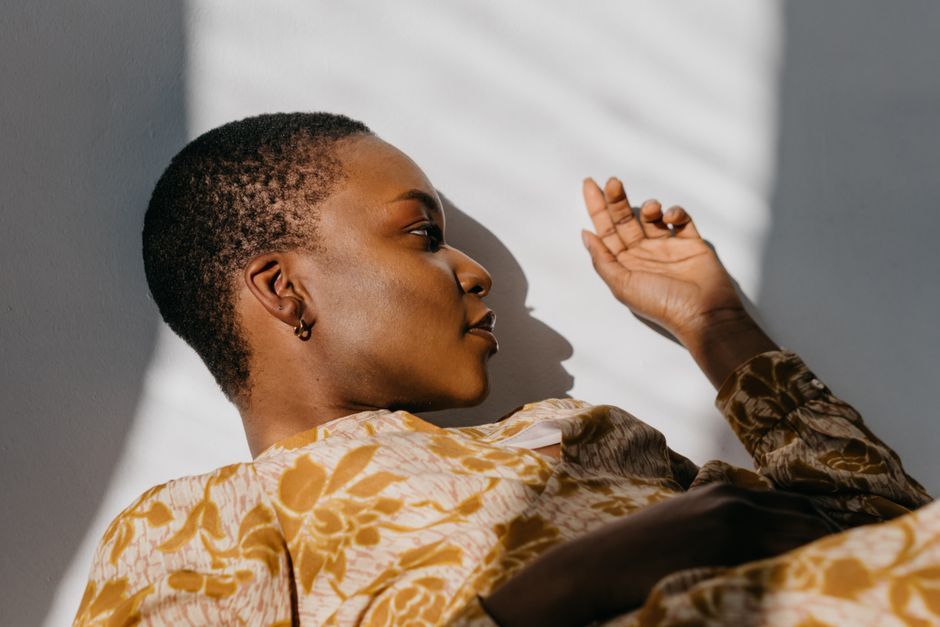
What makes it interesting is the pairing. You are giving your body a rhythmic input at the same moment you are giving your soul a sentence. Touch and truth, arriving together, while the feeling is still in the room.
Why would tapping on your own skin change how you feel?
The honest answer comes in two halves.

The first half we can say with reasonable confidence. Slow, rhythmic self touch is a recognised way to shift how the body is running. Pressure and warmth on your own skin, a slower breath, a hand resting on your chest, these are ordinary cues of safety, and your nervous system reads them the way it reads every other cue in the room.
The second half is the part that gets oversold. The claim that tapping specific meridian points produces a specific effect on specific emotions has been studied, and the studies so far are small, varied in quality, and hard to separate from the calming effect of sitting down and breathing slowly. The National Center for Complementary and Integrative Health takes a similarly careful line on relaxation techniques generally, and Cleveland Clinic's overview of EFT tapping is worth reading.
So here is what I tell clients. Tapping is low risk, free, and available in the moment you need it. If it helps you soften, it helps you soften. Just do not build a healing plan on top of it.
Where are the tapping points, and how do you use them?
The traditional sequence moves through nine points. Tap each one lightly with two fingers, five to seven times, then move on.

- Side of the hand, the fleshy edge below your little finger
- Eyebrow, at the inner end
- Side of the eye, on the bone at the outer corner
- Under the eye, on the bone beneath the pupil
- Under the nose, in the dip above your lip
- Chin, in the crease below your lip
- Collarbone, in the soft hollow just below the inner end
- Under the arm, a hand's width below the armpit
- Top of the head, the crown
Breathe normally while you move. No force is required. If a point feels tender, tap more gently or skip it.
If you only ever learn one, learn the collarbone. Tapping softly there for twenty or thirty seconds, shoulders dropping, jaw unclenching, is discreet enough for a parking lot or a stairwell at work, and it often interrupts a spiral before it takes the afternoon.
What do you say while you tap?
This is the part people skip, and it matters most. Say something true. Not aspirational, not a slogan you do not believe. The body does not soften for a sentence it can feel you straining to mean.

- When fear rises without a clear reason: "Fear is here, but I am safe."
- When grief sits heavy in the chest: "It is safe to feel this. I am not alone."
- When a pattern shows up that feels older than you: "This pattern is not mine. I release it with compassion."
- When shame speaks first: "I am worthy. I am chosen. I am enough."
Every one of those acknowledges the feeling before it offers anything else. Your symptoms are messengers. Tapping is not a way to silence the messenger. It is a way to receive the message without being knocked over by it.
When is tapping the right tool, and when is it not?
Reach for it when you feel a wave rising and you would rather meet it than numb it, or when you are between things and need to arrive somewhere as yourself.

Leave it alone when something else is being asked of you. If you are having thoughts of harming yourself, if a symptom is new or getting worse, if you feel unsafe in your body or your circumstances, that is a moment for a physician or a crisis line, not a self-help practice.
Tapping is also not the whole of nervous system work. It sits alongside the slower practices in vagal tone exercises and the in-the-moment anchors in grounding when life shakes you. If your baseline has been stretched thin for a long season, that is what nervous system and emotional overwhelm support is for.
Pause for reflection
Place two fingers in the hollow below your collarbone. Tap gently, ten or twelve times, and let your exhale lengthen.
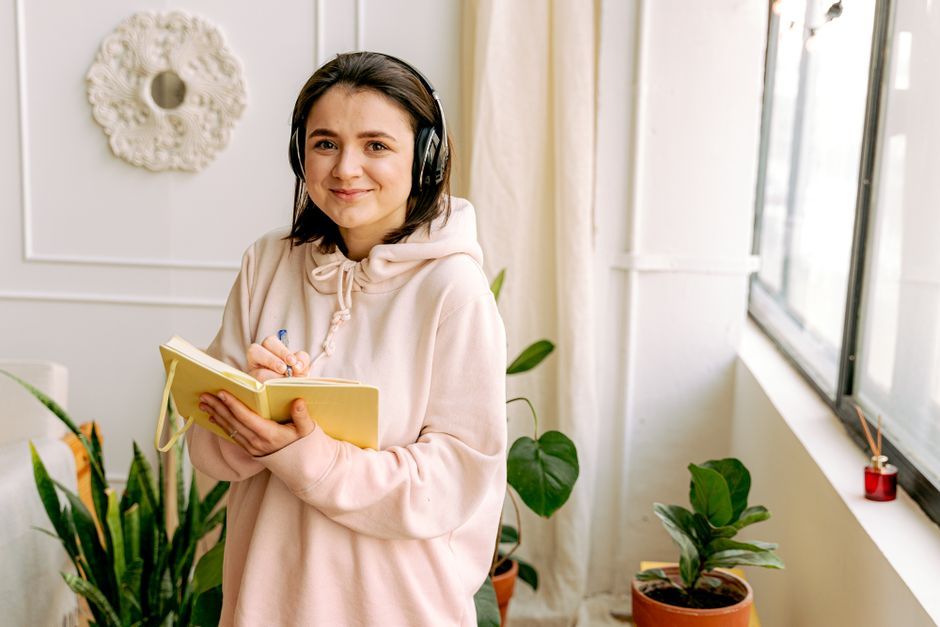
Then ask softly. What is the truest sentence I could say to myself right now, without straining to believe it? And what would it be like to let my body hear it from my own hand?
You are not performing calm. You are practising safety.
FAQ
Is tapping scientifically proven?
No. The research is early, the studies are small, and the claims about meridian points are not settled. What is reasonable to say is that slow self touch, slower breathing and naming what you feel are recognised ways to help the body settle, and tapping combines all three.
How long should I tap for, and do the words have to be out loud?
Tap until something eases slightly, not until the feeling disappears. One or two passes, or half a minute on the collarbone, is a normal amount. Out loud works better for most people, but a whisper counts when you are somewhere public.
Can tapping replace therapy or medication?
No. It is a support, not a substitute. Keep working with your physician and your qualified practitioners.
If you would like help finding which practices fit the season you are in, send me a note through my contact page, or start with my free guide.
This article is for educational purposes and is not medical advice. It is not intended to diagnose, treat, cure, or prevent any disease. Please work with a qualified practitioner, and consult your physician before making changes to your health routine.
In Renewal,
Lynette Wing
Founder of Renewal Health
Clinical Homeopath, Naturopath, Mind-Body Practitioner
Dedicated to root-cause healing and whole-person alignment. Guiding clients to emerge, align, and live fully, restoring vitality, clarity, and sustainable wellness. About Lynette