

Sleep and the Nervous System
Why Can't I Fall Asleep at Night? Gentle Root Causes
You may not be able to fall asleep at night because your nervous system is still on guard. When stress keeps cortisol high into the evening, the body stays alert even when you feel exhausted. A busy mind, late screens, and an irregular rhythm can add to it. Your body is not failing at sleep. It has not yet been told it is safe to stop watching.
Why am I tired but cannot fall asleep?
You have been yawning since dinner. You finally lie down, close your eyes, and suddenly you are wide awake. Your thoughts speed up, your heart feels loud, and the clock becomes something to dread.

I call this being "wired but tired." Your body is depleted, but your nervous system is still running the day. Sleep is not something we can force. It is something the body allows when it believes the watch is over. So the question I invite you to ask is not "Why am I so bad at sleeping?" but "What is my body still guarding?"
Can stress hormones keep you awake?
They can. Cortisol is meant to follow a gentle curve: higher in the morning to help you wake, and lower at night so sleep can come. The National Heart, Lung, and Blood Institute explains that your internal clock and the signals around you work together to shape when you feel sleepy.

When stress has been constant, that curve can flatten or flip. The body that carried the day in "sympathetic lock," my name for a nervous system that treats being on guard as normal, does not simply switch off at bedtime. It keeps scanning. If your energy also dips in the afternoon and surges late at night, that pattern often points to the same story, and my post on the afternoon energy crash explores it. Hormone shifts, including those around perimenopause, can play a part too, and that is part of what I look at in hormone balance support.
Why does my mind race when I lie down?
Because bedtime is often the first quiet moment of the day. All the thoughts you did not have room for come forward the moment the noise stops. The unfinished conversation, tomorrow's list, the worry you set aside at lunch.

This is not a character flaw. Your mind is trying to finish the day's work before it rests. It helps to give it somewhere to put that work. A few minutes of writing things down early in the evening tells your mind it does not have to hold everything until morning. If your thoughts loop for hours, my post on how to stop overthinking offers more body-first tools.
How can I fall asleep faster, naturally?
Gently, and by preparing the body more than pushing it. A few places to begin:

- Dim the evening. Lower the lights and set screens down an hour before bed where you can. Light tells your body it is still daytime.
- Keep a steady rhythm. Going to bed and rising at similar times each day helps your internal clock know what to expect.
- Unload your mind early. Write tomorrow's list and any worries on paper after dinner, not in bed.
- Lengthen the exhale. Once you lie down, breathe in for four and out for six. A longer out-breath is one of the simplest signals of safety you can give your nervous system.
- Soften the body part by part. Let your jaw unclench, your shoulders drop, your belly release. Bracing often hides in places we stop noticing.
- Stop fighting the clock. If you are still awake after a long while, get up, sit somewhere dim and quiet, and return when you feel sleepy.
None of these are quick fixes. They are invitations.
Why does my body feel unsafe at night?
For many people, night is when the body remembers. If there were seasons when nights were not safe, when you had to listen for footsteps, care for a crying child, or wait for difficult news, your nervous system may have learned to stay alert in the dark. That learning does not disappear because life is calmer now.

This is the root-cause question I care most about. Rather than only chasing the symptom of a sleepless night, I look at the whole person, and you can read more about that approach on my page about naturopathy, homeopathy, and holistic healing.
When should you see a doctor about trouble sleeping?
Please talk with your physician if trouble falling asleep lasts for weeks, if it affects your work, mood, or safety while driving, or if you snore loudly, gasp at night, or feel an urge to move your legs at rest. Thyroid changes, pain, low mood, and some medications can all affect sleep and deserve a proper look. The NHLBI has clear information on insomnia. If you ever have thoughts of harming yourself, call or text 988 in the US.

Pause for Reflection
Tonight, once you lie down, place one hand on your chest and one on your belly. Breathe in slowly, and let the out-breath be a little longer.
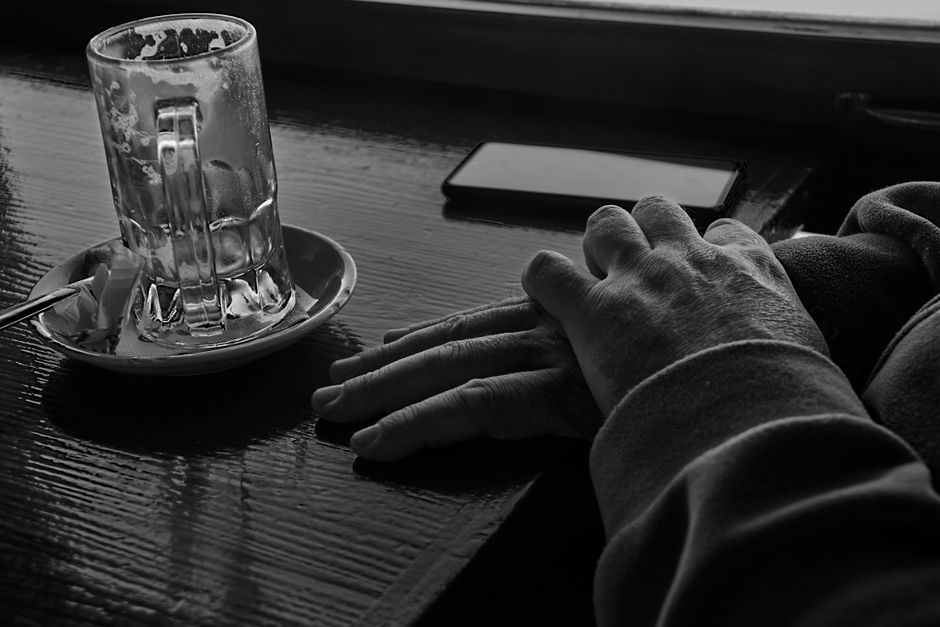
Ask yourself: What is my body still guarding? What could I set down before I sleep?
"In peace I will lie down and sleep, for you alone, Lord, make me dwell in safety" (Psalm 4:8, NIV). Sleep is not a reward you earn. It is a place you are welcomed back into.
You do not have to keep watch tonight. You are held.
FAQ
Is it normal to take a long time to fall asleep?
It happens to most people sometimes, especially during stressful seasons. If it continues for weeks, please speak with your physician.
Can stress really stop me from sleeping?
Yes. Stress can keep your nervous system alert and your stress hormones higher into the evening, which makes it harder to drift off.
Should I take something to help me sleep?
Please talk with your physician or pharmacist before starting any sleep aid or supplement, since many interact with medications and health conditions.
Where can I find support?
If you would like help understanding your sleep and stress together, send me a note through the contact page. We can take it gently, together.
This article is for educational purposes and is not medical advice. It is not intended to diagnose, treat, cure, or prevent any disease. Please work with a qualified practitioner, and consult your physician before making changes to your health routine.
In Renewal,
Lynette Wing
Founder of Renewal Health
Clinical Homeopath, Naturopath, Mind-Body Practitioner
Dedicated to root-cause healing and whole-person alignment. Guiding clients to emerge, align, and live fully, restoring vitality, clarity, and sustainable wellness. About Lynette