

Nervous System
Why Do I Get Overstimulated So Easily?
You may get overstimulated easily because your nervous system is already carrying a heavy load, so ordinary noise, light, touch, and conversation push it past what it can absorb. Stress, poor sleep, hormonal shifts, and natural sensory sensitivity, common in neurodivergent people, can all lower that threshold. It is not overreacting. It is overload.
What does it mean to be overstimulated?
Being overstimulated means your senses and your nervous system are taking in more than they can process at once. The television is on, a child is asking questions, the lights feel too bright, someone touches your arm, and suddenly you want to snap, cry, or disappear.

Many parents call this feeling "touched out." Others describe it as a fizzing or buzzing under the skin, or a sudden need to be completely alone. However it shows up for you, it is real. Your body is not being dramatic. It is telling you that the cup is full.
Why do I get overstimulated so easily?
Think of your nervous system as having a window, a range of input it can handle while still feeling steady. When you are rested and calm, that window is wide. Noise and busyness can wash over you.

When you have been stressed for a long time, the window narrows. I call this state "sympathetic lock," where the body stays braced as its default. A braced body is already scanning for danger, so every extra sound or demand gets processed as one more possible threat. Harvard Health explains the stress response as a chain of changes that prepares the body to react, and that state does not leave much room for anything else.
Other things can narrow the window too: poor sleep, hunger, illness, hormonal changes, grief, and simply being "on" for other people all day.
Is overstimulation a sign of being neurodivergent?
It can be part of the picture, but it is not proof of anything on its own. Many autistic people and people with ADHD experience sensory input more intensely. Sounds can feel louder, fabrics more irritating, and transitions more draining. For them, overstimulation is not a bad day. It is how their nervous system is wired, and it deserves understanding rather than correction.

At the same time, plenty of people who are not neurodivergent feel overstimulated when life is stretched thin. Some people are simply more sensitive by nature. If you are wondering whether something more is going on, a qualified professional can help you explore that. My post on nervous system support for neurodivergent adults goes deeper into why everyday life can feel so tiring.
What helps when you feel overstimulated?
In the moment, the goal is to reduce input and give your body a signal of safety. A few gentle places to begin:

- Step away if you can. Even two minutes in a quieter room, a bathroom, or your car can help your body come down.
- Turn down the input. Dim the lights, lower the volume, close your eyes, or use earplugs or headphones.
- Breathe with a longer exhale. In for four, out for six. A longer exhale tells your body it can settle.
- Use steady, firm pressure. A weighted blanket, a firm hug from someone safe, or pressing your palms together can feel grounding for many people.
- Say it simply. "I am overstimulated. I need a few minutes." Naming it helps others understand and helps you stop blaming yourself.
My post on grounding techniques for overwhelm offers more tools you can use anywhere.
How do you stop getting overstimulated so often?
Over time, the deeper work is widening your window, so your body has more room before it reaches overload.

- Build quiet into your day. Short pauses between demands, not only rest when you are already depleted.
- Shape your home. Softer lighting, less background noise, and a calm corner can change how your body feels at home. Small changes to your surroundings can make a real difference.
- Protect sleep and meals. A rested, fed body has more capacity.
- Notice your early signals. Tight shoulders, a clenched jaw, a short temper. Catching these early lets you step back before overload.
If you would like a soft place to start, my free guide walks through first steps. When you want personal support, my neurodivergent support work honors how your nervous system is made while gently helping it feel safer.
When should you see a doctor about overstimulation?
Please speak with your physician or a licensed professional if overstimulation is affecting your work, relationships, or safety, if it comes with panic, shutdown, or thoughts of harming yourself, or if it has appeared suddenly alongside other new symptoms such as headaches or changes in vision or hearing. If you ever have thoughts of harming yourself, call or text 988 in the US.

Pause for Reflection
Find a quiet spot. Place a hand over your heart and breathe in slowly, letting the out-breath be a little longer.
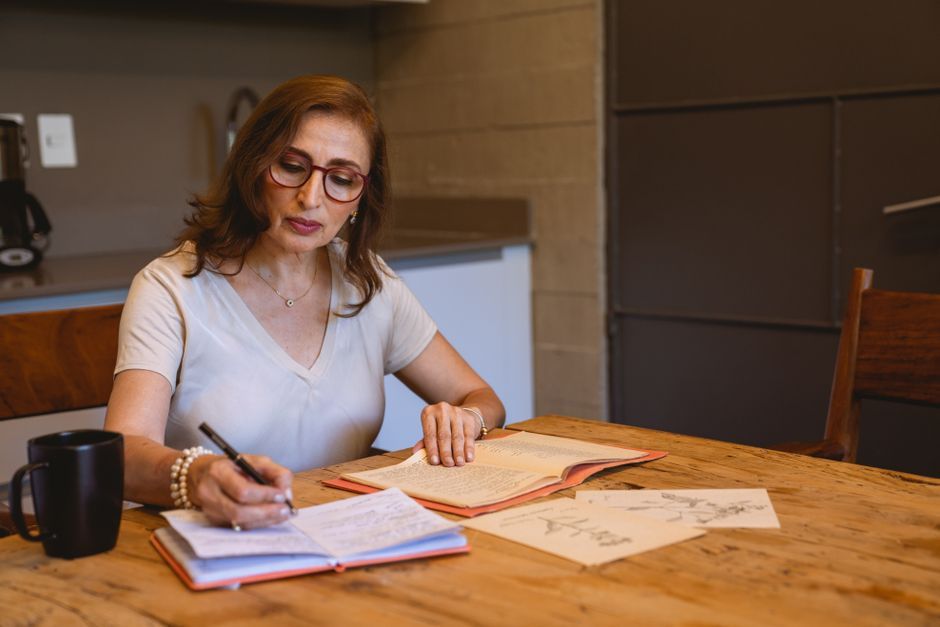
Ask yourself: Where in my day does my body most need a pause? What is one source of noise I could gently turn down this week?
Jesus said to his disciples, "Come away by yourselves to a desolate place and rest a while" (Mark 6:31, ESV). Stepping away was never a failure. It was an invitation.
You are not too sensitive. You are a person whose body is asking for room.
FAQ
Is getting overstimulated a sign of anxiety?
It can go together with anxiety, but not always. Overstimulation is often a sign that your nervous system is overloaded, whatever the cause.
Why do I get overstimulated more as a parent?
Parenting can bring constant noise, touch, and demands with few breaks, which narrows your window over time. Small pauses through the day can help.
Can overstimulation cause a meltdown or shutdown?
For some people, especially neurodivergent people, overload can lead to a meltdown or shutdown. Reducing input early often helps.
Where can I find support?
If you would like help understanding what your body is telling you, reach out through my contact page. We can take it gently, together.
This article is for educational purposes and is not medical advice. It is not intended to diagnose, treat, cure, or prevent any disease. Please work with a qualified practitioner, and consult your physician before making changes to your health routine.
In Renewal,
Lynette Wing
Founder of Renewal Health
Clinical Homeopath, Naturopath, Mind-Body Practitioner
Dedicated to root-cause healing and whole-person alignment. Guiding clients to emerge, align, and live fully, restoring vitality, clarity, and sustainable wellness. About Lynette