

Peace Panic
Why You Feel Anxious When Life Is Finally Good
Feeling anxious when everything is going well is common, and it is not ingratitude. If your nervous system learned that calm came right before chaos, it reads peace as a warning and braces for the next blow. I call this peace panic. It softens as your body slowly gathers evidence that safety is allowed to last.
What is peace panic?
Peace panic is the surge of anxiety that arrives when life is finally going well, because your system equates calm with waiting for the other shoe to drop.

It shows up in ordinary moments. A quiet Saturday with nothing urgent in it. A relationship that is steady. A season where nobody is in crisis. Instead of relief, you feel a low hum of dread, a pull to check something, fix something, brace for something.
Then comes the second layer, which is usually worse: the guilt. You tell yourself you should be grateful. You wonder what is wrong with you. Nothing is wrong with you. Your body has simply never been given proof that good things are allowed to stay.
Why does my body brace when nothing is wrong?
Because your nervous system is not making a decision. It is running a pattern.
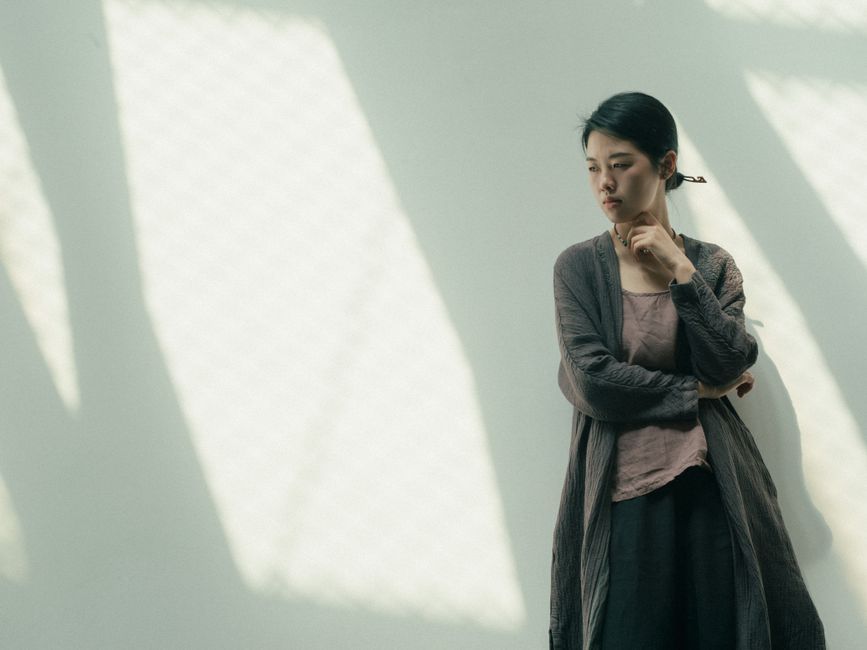
Your autonomic nervous system moves between two gears. Protection mode is fast and reactive: the heart rate lifts, digestion slows, the muscles tighten for impact. Restoration mode is where healing, digestion, hormone balancing, and clear thinking happen. You were designed to move between the two, engaging protection when it is needed and returning home when the danger passes. Cleveland Clinic describes what stress does in the body in plain terms.
After long stretches of unpredictability, the gears jam. A body that grew up anticipating the next disruption learns something specific: calm is not rest, calm is the pause before the noise. So when life goes quiet, the body does not relax. It gets suspicious. That is not weakness, and it is not just anxiety. It is your nervous system doing what it was trained to do, long before you had language for it.
Is this fear even mine?
Often it is not, at least not originally. A child absorbs the emotional climate of a home far more than its spoken rules, and a nervous system shaped in an unpredictable atmosphere learns to stay ready.
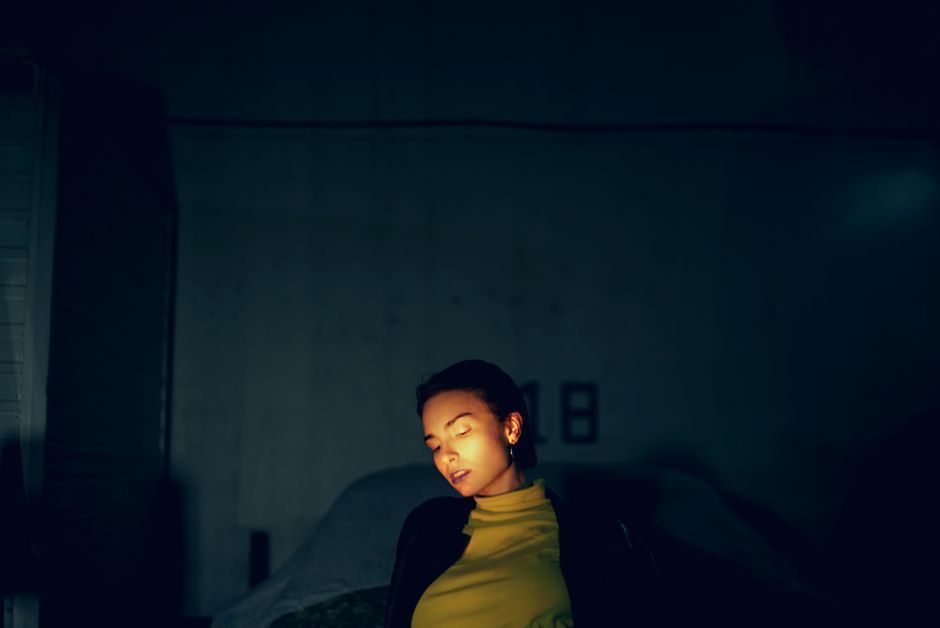
When the dread rises in a good season, three quiet questions help:
- Does this reaction feel older than my current circumstances?
- Does this fear match the reality of this moment, or is it echoing something else?
- Does this belief sound like my own voice, or like a voice I inherited?
If the answer points backward, how inherited patterns shape your body goes deeper into where these defaults come from.
What does peace panic feel like day to day?
It rarely announces itself as fear. More often it looks like:

- Scanning. Checking the accounts, the messages, the tone of someone's voice, looking for the problem you are sure is coming.
- Bracing. Shoulders hitched, jaw set, breath held high in the chest while your life is objectively fine.
- Flinching at good news. A kind word, a clean scan, a season of ease, and your first feeling is unease rather than joy.
- Trouble receiving. Struggling to accept help, rest, or love, because opening up registers as exposure.
If that sounds like your whole system running hot under a calm life, wired but tired goes deeper.
How do you teach your body that good things can stay?
Slowly, and through repetition rather than argument. You cannot reason a braced body into softening. You can only give it new evidence, in small doses, until it outweighs the old pattern.

Name it. "This is peace panic. Nothing is wrong." Naming creates space between you and the reaction.
Stay ninety seconds. When the dread rises, notice one physical sensation and stay with it, breathing gently, without fixing it. Emotions are physiological, and when they are not resisted they typically peak and fall within about ninety seconds. Most of us leave at fifteen.
Soften the frame. Unclench the jaw. Drop the shoulders on a long exhale. Let the breath reach the bottom of your lungs.
Answer the old script. Meet it with the current truth: "I am here. I am safe. I am not that child anymore."
Collect the good on purpose. Notice the small cues of safety your body skips past. That practice has a name, and training your body to notice safety again walks through it.
Let peace be received rather than earned. "Peace I leave with you, my peace I give unto you" (John 14:27). Notice the verb. Given, not achieved. This is the work I sit with most often, and emotional overwhelm and nervous system support is where it lives in my practice.
When should you involve your physician?
Please talk with your physician or a licensed mental health professional if the anxiety is persistent, interferes with sleep, work, or relationships, or if you feel hopeless. Sudden chest pain, breathlessness, or a racing heart needs medical evaluation, not a breathing exercise. The National Institute of Mental Health explains when to seek care for anxiety. Work like mine sits alongside that care, never in place of it.

Pause for reflection
Place one hand on your chest and one on your abdomen. Feel your breath move beneath your palms, without correcting it.

Ask yourself gently: what good thing am I still holding at arm's length, in case it leaves? And what would it feel like to whisper back, "We are safe here. We can soften now"?
You are not ungrateful. You are not broken. You are a body learning a new baseline.
FAQ
Is it normal to feel anxious when things are going well?
Yes, and it is common for people whose earlier years were unpredictable. A nervous system trained on instability reads calm as a warning, not a reward.
Why do I feel like something bad is about to happen for no reason?
Often because your body is anticipating a pattern rather than reading the present moment. Persistent dread still deserves a conversation with your physician, since it can have physical contributors.
Where should I begin?
Start small and start in your body. When you would like support shaped around your own history, you can start a conversation through the contact page.
This article is for educational purposes and is not medical advice. It is not intended to diagnose, treat, cure, or prevent any disease. Please work with a qualified practitioner, and consult your physician before making changes to your health routine.
In Renewal,
Lynette Wing
Founder of Renewal Health
Clinical Homeopath, Naturopath, Mind-Body Practitioner
Dedicated to root-cause healing and whole-person alignment. Guiding clients to emerge, align, and live fully, restoring vitality, clarity, and sustainable wellness. About Lynette