

Practice
A Daily Rhythm for Body, Soul, and Spirit
A daily rhythm is a short, repeatable sequence that touches body, soul, and spirit in the same sitting. It does not need to be long. Ten minutes done most days will reshape more than a three hour reset you attempt twice a year, because the body learns from repetition rather than intensity.
Why does a small daily practice work better than a big effort?
Because you are not trying to achieve something. You are trying to teach something.

Your nervous system builds its expectations from what happens often, not from what happens dramatically. A body that has spent years rehearsing urgency needs a new rehearsal, repeated at unremarkable moments, before it will believe anything has changed. One intense weekend is a lovely memory. Twenty unremarkable mornings is an instruction.
This is also why a practice you can actually keep beats the ideal one you abandon by Thursday. Shrink it until it survives a bad week.
What does a whole-person rhythm include?
Three layers, in order, because the order matters. My companion journal is built around eight daily elements, and they group naturally.

Body first. A centering moment and a somatic cue. Feet on the floor, one hand on your chest, one breath that goes all the way out. You are signalling safety before you ask yourself to feel anything, because a braced body cannot do honest reflection. Why the sequence runs bottom up is explained in why the healing order matters.
Soul next. A prompt to name what is true without judgment, and a gentle question about patterns that may be older than you. Naming is the whole mechanism. A feeling you can name is a feeling you can put down.
Spirit last. A scripture or a short prayer, an identity declaration spoken out loud, and a closing. Not to perform faith, but to anchor who you are before the day tells you otherwise.
Then one more thing at the end of the day: a moment to notice what shifted, softened, or surfaced. That evening glance is the element people skip, and it is the one that turns practice into evidence.
What does ten minutes actually look like?
Here is a version you can start tomorrow.
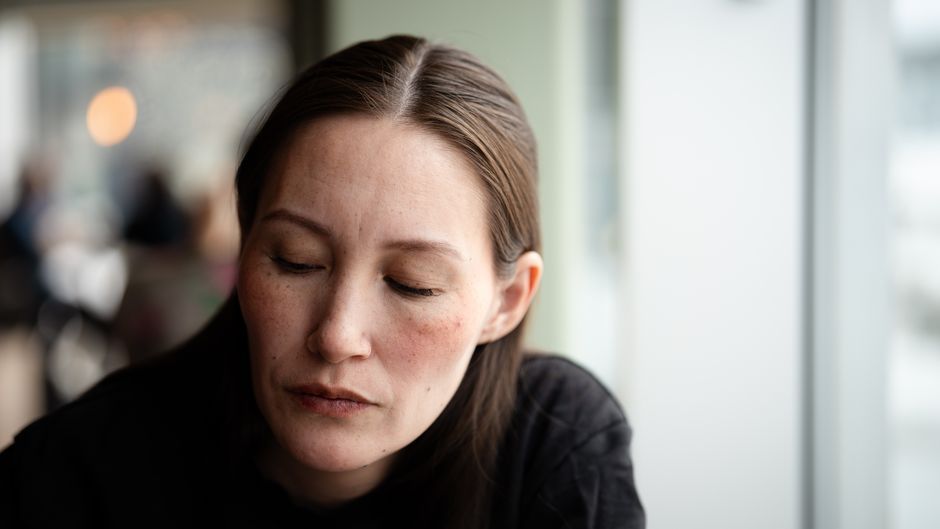
Minute one. Sit. Both feet flat. Three breaths with the exhale longer than the inhale. Nothing else.
Minutes two and three. Scan from head to feet. Find one place that is holding and breathe into it without trying to fix it.
Minutes four to six. Write two lines. What is true in me right now, and what am I avoiding feeling. No editing, no solving.
Minutes seven and eight. Ask one pattern question. Does this reaction feel older than my circumstances? Does this voice sound like mine?
Minutes nine and ten. Read one verse or say one short prayer. Then speak one true sentence about who you are, out loud, even if it feels awkward.
Before bed. One sentence. What softened today.
If the body layer is the hard part, the mechanics are in vagal tone exercises, and the art of the anchor covers what to do when a day goes sideways mid practice.
How do you keep it going when life gets loud?
Expect to miss days and plan for the return rather than the streak.

Attach it to something that already happens, like the first coffee or sitting down in the car before you drive. Keep it in one place so you are not deciding where to do it. When a week gets away from you, drop to the one minute version instead of stopping, because a minute keeps the thread and zero breaks it.
Watch for the trap of turning this into another performance to grade yourself on. If your practice starts producing guilt, it has quietly become work. The point is not to do it well. The point is to keep showing up gently, which is itself the thing you are trying to teach your body.
And notice the small returns honestly. Sleeping a little sounder. Reacting a beat slower. Feeling a pause where there used to be a reflex. These are the real markers, and they are easy to miss if you are only watching for a dramatic before and after.
If you want structure and company for this rather than doing it alone, that is what my programs and packages are for, and my book Nothing Missing, Nothing Broken walks through the framework these elements come from. Where the daily practice keeps hitting the same wall, nervous system and emotional overwhelm support is usually the layer underneath. You can send me a note through my contact page if you are not sure where to start.
Pause for reflection
Put one hand over your heart. Let a single breath go all the way out.

Then ask, without rushing. What is the smallest practice I could actually keep for thirty days? And what have I been waiting to feel ready for that only readiness through repetition can give me?
You are not behind. You are simply at the beginning of a rhythm.
FAQ
How long before a daily practice makes a difference?
Most people notice small shifts in a few weeks, usually in sleep or in the size of the gap between a trigger and their reaction. Deeper change in long held patterns is a matter of months, and it is rarely linear.
Do I need the journal to do this?
No. A notebook and ten minutes are enough. A structured journal helps mainly because it removes the daily decision about what to do, which is where most practices quietly die.
What if sitting quietly makes me feel worse?
That happens for some people, particularly after trauma, and it is not a failure. Keep your eyes open, work with something outward like naming what you can see, shorten the sitting, and do this alongside a licensed therapist rather than alone.
This article is for educational purposes and is not medical advice. It is not intended to diagnose, treat, cure, or prevent any disease. Please work with a qualified practitioner, and consult your physician before making changes to your health routine.
In Renewal,
Lynette Wing
Founder of Renewal Health
Clinical Homeopath, Naturopath, Mind-Body Practitioner
Dedicated to root-cause healing and whole-person alignment. Guiding clients to emerge, align, and live fully, restoring vitality, clarity, and sustainable wellness. About Lynette