
Faith and Healing
What Does the Bible Say About Rest? Your Body Agrees
The Bible presents rest as part of how we were designed, not as a reward for finishing everything. From the creation story, which ends in a day of rest, to the Sabbath rhythm and the invitation to come and be refreshed, Scripture treats rest as holy and necessary. Your body agrees: it repairs and restores itself most fully when it feels safe enough to stop.
Is rest really a biblical idea?
Yes. Rest is woven through Scripture from the very first pages. The creation story does not end with more work. It ends with a day set apart for stillness, long before anyone was tired. That tells us something important: rest was never meant to be the prize at the end of exhaustion. It was built into the rhythm of life from the beginning.

The Sabbath carried that rhythm forward as a weekly practice of stopping, receiving, and remembering that we are held. Over and over, Scripture returns to images of still waters, quiet places, and being invited to lay down what is heavy.
Why is rest so hard when I believe in it?
Many of the faithful, kind people I sit with believe rest is good and still cannot do it. If that is you, please hear this: it is not a lack of faith. It is often a nervous system that learned, somewhere along the way, that stopping was not safe.

When the body has lived in survival for a long season, it can hold an old script that says, "It is not safe to rest." Sitting still can then feel restless, guilty, or even anxious. My post on feeling guilty for resting explores where that guilt comes from, and my post on hurry sickness looks at why slowing down can feel impossible even when you want to.
This is not a character flaw. It is a protective pattern, and protective patterns can be gently retrained.
What does science say about rest and the body?
Scripture and physiology tell the same story from two directions. Your body has a calming branch of the nervous system often called rest-and-digest. When it is active, digestion, repair, and steady sleep are easier for the body to carry out. When the body stays on high alert, those restoring processes tend to take a back seat.

Sleep is one of the clearest examples. The National Heart, Lung, and Blood Institute explains that sleep supports healthy brain function and physical health, and that ongoing sleep loss can affect mood, focus, and many systems in the body. Rest is not laziness. It is maintenance on a beautifully designed vessel.
This is why I often say the body heals under safety, not pressure. Rest is one of the ways we tell the body, "We are safe here. We can soften now."
What does biblical rest look like in real life?
Biblical rest is less about a perfect day off and more about a rhythm of returning. Here are a few gentle ways to begin:

- Set apart a small Sabbath. If a full day feels impossible, start with one protected hour each week with no work, no errands, and no scrolling.
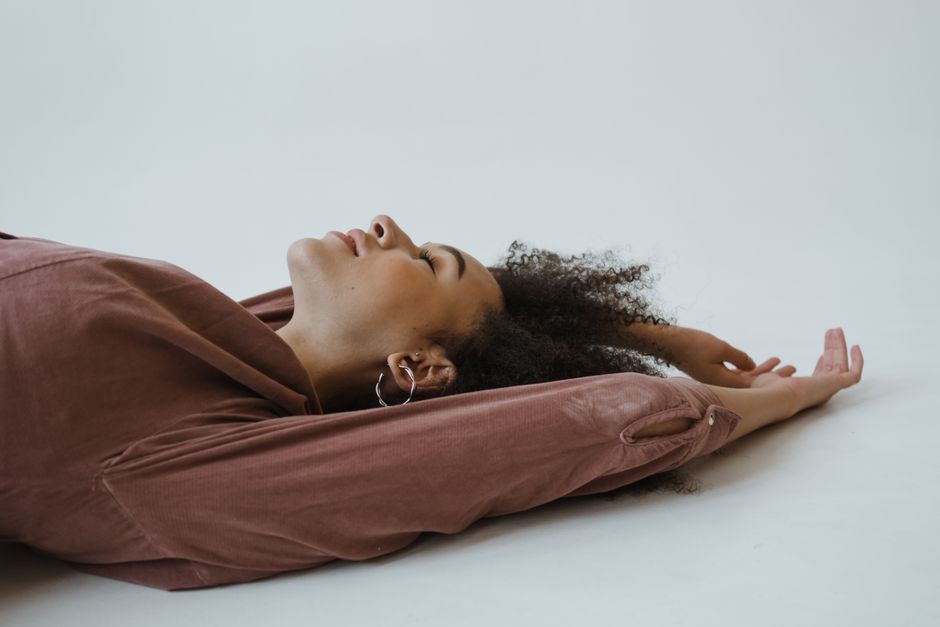
- Rest the body first. Lie down, slow the exhale, and let the shoulders drop. The body often needs to feel rest before the mind can believe it.
- Stop before you are empty. Rest offered at the end of total depletion becomes recovery. Rest offered on purpose becomes rhythm.
- Let rest be receiving. Sit outside, notice the light, listen to music, pray without words. Rest does not have to be productive to be holy.
- Notice the guilt without obeying it. When the old script says you should be doing something, name it kindly and stay put a little longer.
In my emotional overwhelm and nervous system support, I help people rebuild this rhythm slowly, body, soul, and spirit together. I also write about rest, safety, and returning to your original design in my book, Nothing Missing, Nothing Broken.
When is tiredness something to bring to a physician?
Rest is a gift, but ongoing exhaustion that does not lift with rest deserves a proper evaluation. Please see your physician if you feel tired most days for several weeks, struggle to get through daily tasks, or notice changes in sleep, appetite, weight, or mood. If you ever feel hopeless or have thoughts of harming yourself, call or text 988 to reach the Suicide and Crisis Lifeline right away.

Natural-first support and spiritual practices work best alongside your medical care, never instead of it.
Pause for Reflection
Place one hand over your heart. Let your exhale be long and slow.

Ask gently: When did I last rest without needing to earn it? What would change if I believed rest was part of my design? Where could I set apart one small, holy pause this week?
"He maketh me to lie down in green pastures: he leadeth me beside the still waters" (Psalm 23:2). You are not behind. You are not failing. You are being invited to lie down.
FAQ
Is it a sin to rest?
No. Scripture presents rest as good and holy, modeled from the very beginning. Rest is not laziness or a lack of devotion. It is part of how you were designed to live.
How do I rest when my mind will not slow down?
Start with the body. Slow breathing, lying down, a warm drink, or a quiet walk can help the nervous system settle so the mind can follow. It often takes practice, so be patient with yourself.
How do I start working with you?
If you are longing for a gentler rhythm, you can send me a message through my contact page and we can talk about what whole-person support could look like for you.
This article is for educational purposes and is not medical advice. It is not intended to diagnose, treat, cure, or prevent any disease. Please work with a qualified practitioner, and consult your physician before making changes to your health routine.
In Renewal,
Lynette Wing
Founder of Renewal Health
Clinical Homeopath, Naturopath, Mind-Body Practitioner
Dedicated to root-cause healing and whole-person alignment. Guiding clients to emerge, align, and live fully, restoring vitality, clarity, and sustainable wellness. About Lynette